

Kodak Vision 3 500T
Experience Cinematic Magic with BKK-Film's Kodak Vision 3 500T 35mm Film. Unleash your creativity and bring the magic of cinema to your photography. This unique film, repurposed from cinema stock, offers stunning color rendition, fine grain, and incredible low-light performance. Elevate your photography to cinematic heights with the Kodak Vision 3 500T film, now available in 35mm format.
Kodak Vision 3 500T 35mm Film is specially crafted to excel under tungsten light color temperature conditions. Its unique emulsion delivers exceptional results in indoor and low-light settings, capturing rich and warm tones that evoke the cinematic atmosphere of classic movies.

Fuji Superia X-Tra 400
Designed to capture life's moments with unparalleled clarity and vibrant colors, this professional-grade film is a favorite among photographers worldwide. With its fine grain structure and wide exposure latitude, Portra 160 ensures stunning results in various lighting conditions. Whether you're shooting portraits, landscapes, or everyday scenes, this film delivers a timeless charm and authenticity that only analog photography can offer.
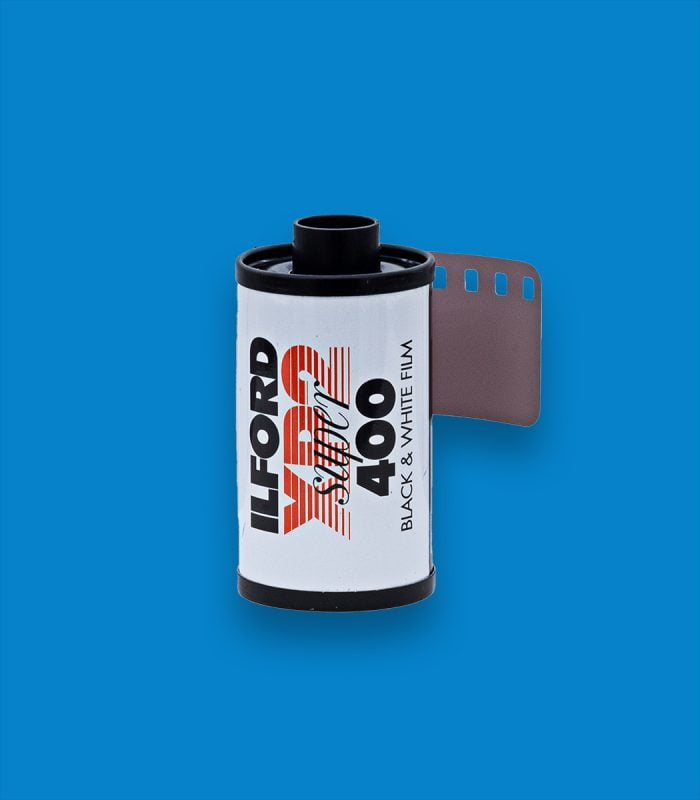
Ilford XP2 400
Unlock a New Realm of Monochrome Photography with Ilford XP2 400 Film. Elevate your black and white photography with Ilford XP2 400, a versatile and unique film that defies convention. Experience the convenience of C-41 processing combined with the classic charm of traditional monochrome. Capture stunning details and rich tones in various lighting conditions, from bright daylight to low-light settings.

Kodak Portra 400
Designed to capture life's moments with unparalleled clarity and vibrant colors, this professional-grade film is a favorite among photographers worldwide. With its fine grain structure and wide exposure latitude, Portra 160 ensures stunning results in various lighting conditions. Whether you're shooting portraits, landscapes, or everyday scenes, this film delivers a timeless charm and authenticity that only analog photography can offer.
Kodak Portra 800
Designed to capture life's moments with unparalleled clarity and vibrant colors, this professional-grade film is a favorite among photographers worldwide. With its fine grain structure and wide exposure latitude, Portra 160 ensures stunning results in various lighting conditions. Whether you're shooting portraits, landscapes, or everyday scenes, this film delivers a timeless charm and authenticity that only analog photography can offer.
Kodak Portra 160
Designed to capture life's moments with unparalleled clarity and vibrant colors, this professional-grade film is a favorite among photographers worldwide. With its fine grain structure and wide exposure latitude, Portra 160 ensures stunning results in various lighting conditions. Whether you're shooting portraits, landscapes, or everyday scenes, this film delivers a timeless charm and authenticity that only analog photography can offer.


Kodak Vision 3 500T
Experience Cinematic Magic with BKK-Film's Kodak Vision 3 500T 35mm Film. Unleash your creativity and bring the magic of cinema to your photography. This unique film, repurposed from cinema stock, offers stunning color rendition, fine grain, and incredible low-light performance. Elevate your photography to cinematic heights with the Kodak Vision 3 500T film, now available in 35mm format.
Kodak Vision 3 500T 35mm Film is specially crafted to excel under tungsten light color temperature conditions. Its unique emulsion delivers exceptional results in indoor and low-light settings, capturing rich and warm tones that evoke the cinematic atmosphere of classic movies.
Fuji Superia X-Tra 400
Designed to capture life's moments with unparalleled clarity and vibrant colors, this professional-grade film is a favorite among photographers worldwide. With its fine grain structure and wide exposure latitude, Portra 160 ensures stunning results in various lighting conditions. Whether you're shooting portraits, landscapes, or everyday scenes, this film delivers a timeless charm and authenticity that only analog photography can offer.
Ilford XP2 400
Unlock a New Realm of Monochrome Photography with Ilford XP2 400 Film. Elevate your black and white photography with Ilford XP2 400, a versatile and unique film that defies convention. Experience the convenience of C-41 processing combined with the classic charm of traditional monochrome. Capture stunning details and rich tones in various lighting conditions, from bright daylight to low-light settings.
Kodak Portra 400
Designed to capture life's moments with unparalleled clarity and vibrant colors, this professional-grade film is a favorite among photographers worldwide. With its fine grain structure and wide exposure latitude, Portra 160 ensures stunning results in various lighting conditions. Whether you're shooting portraits, landscapes, or everyday scenes, this film delivers a timeless charm and authenticity that only analog photography can offer.
Kodak Portra 800
Designed to capture life's moments with unparalleled clarity and vibrant colors, this professional-grade film is a favorite among photographers worldwide. With its fine grain structure and wide exposure latitude, Portra 160 ensures stunning results in various lighting conditions. Whether you're shooting portraits, landscapes, or everyday scenes, this film delivers a timeless charm and authenticity that only analog photography can offer.
Kodak Portra 160
Designed to capture life's moments with unparalleled clarity and vibrant colors, this professional-grade film is a favorite among photographers worldwide. With its fine grain structure and wide exposure latitude, Portra 160 ensures stunning results in various lighting conditions. Whether you're shooting portraits, landscapes, or everyday scenes, this film delivers a timeless charm and authenticity that only analog photography can offer.